
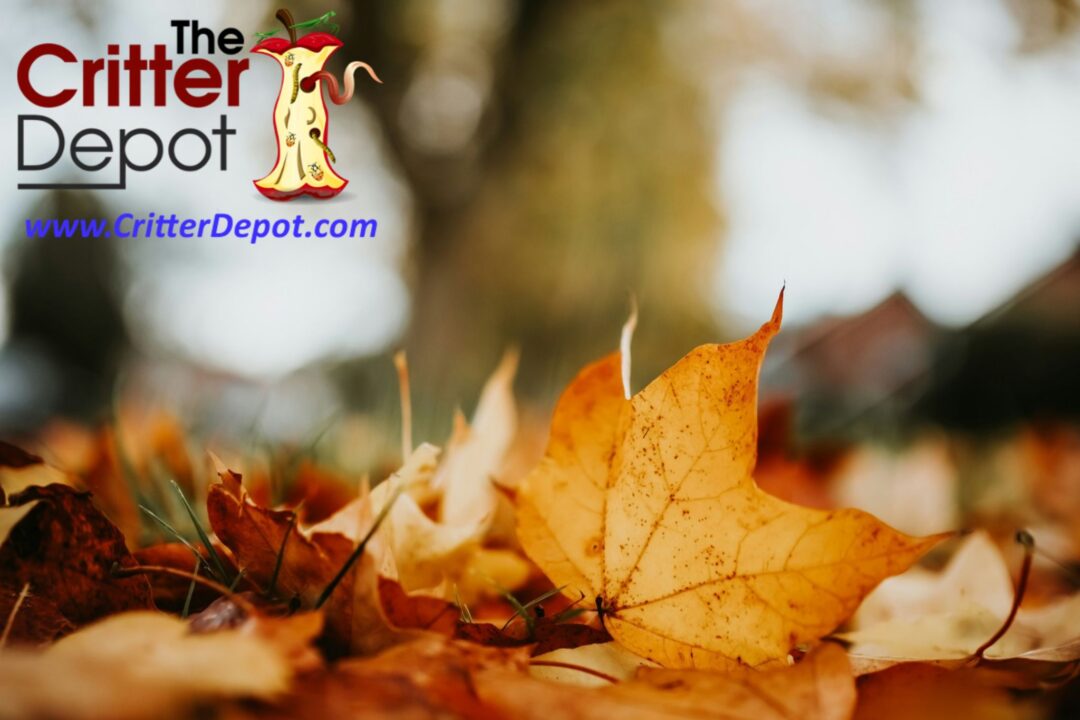
Turn Fall Leaves Into a Free Resource
Every fall, millions of trees drop some of the best resources for your garden: leaves.
For many homeowners, the first response is to rake them up, stuff them into bags, and haul them away. But if you have a garden, compost pile, chickens, or even a small backyard, those leaves are much more useful at home.
Fallen leaves contain carbon and organic matter that can improve soil, protect plants, help your compost pile, and even provide shelter for wildlife.
And, naturally, they’re offered at a very fair price!
Instead of thinking of fall leaves as yard waste, think of them as a crop your trees produce every year. Here are five simple ways to put them to work around your home or homestead.
1. Use Leaves as Garden Mulch
One of the easiest ways to use fall leaves is to spread them around your garden.
A layer of leaves helps cover bare soil during the fall and winter. This protects the soil from heavy rain, wind, and temperature changes. It can also help the soil hold moisture and make it harder for weeds to grow.
You can spread leaves around trees, shrubs, berry bushes, perennial flowers, and garden beds.
For the best result, shred the leaves first by running over them with a lawn mower. Whole leaves can sometimes form a thick, wet mat. Shredded leaves are lighter and break down much faster.
Over time, worms, fungi, insects, and other tiny organisms will slowly pull the leaves into the soil.
By spring, much of that “waste” will have started turning into rich organic matter.
Instead of buying bags of mulch, your trees may already be giving you plenty for free.
2. Save Leaves for Your Compost Pile
If you compost food scraps, fall leaves are especially valuable.
A healthy compost pile needs a mixture of nitrogen-rich materials, often called “greens,” and carbon-rich materials, called “browns.”
Kitchen scraps, fresh grass clippings, and garden waste are usually high in nitrogen. Dry fall leaves are high in carbon.
That makes them a perfect match.
The problem is that nature does not always give us these materials at the same time. You may have mountains of leaves in October, but very few dry leaves available in February.
The solution is simple: save them.
Fill a large trash can, barrel, bin, or dry storage area with shredded leaves in the fall. Then, whenever you add kitchen scraps to your compost pile during the winter or spring, add a layer of dry leaves too.
The leaves help absorb extra moisture, add carbon, and keep the compost pile balanced.
If you compost indoors during the colder months, dry leaves can also be useful as bedding material. They can help absorb moisture while food scraps are being broken down.
Your pile of fall leaves can become a whole year’s supply of compost material.
3. Make Leaf Mold
You can also turn leaves into a soil amendment called leaf mold.
Despite the name, leaf mold is a good thing.
It is simply what you get when leaves slowly break down on their own. Unlike a traditional compost pile, which contains many different materials, leaf mold can be made almost entirely from leaves.
To make it, collect your leaves and place them in a simple wire bin, compost bin, or large pile. Shredding the leaves will speed up the process, but it isn’t required.
Then, let nature do the work.
Fungi and other organisms will slowly break the leaves down. The process can take many months, but eventually the leaves turn into a dark, soft material that looks a lot like rich forest soil.
Leaf mold can be mixed into garden beds or spread around plants.
It is especially useful for improving the structure of soil and helping it hold moisture.
And it costs nothing to make.
4. Use Dry Leaves in Your Chicken Coop
If you raise backyard chickens, dry leaves can have another job before they reach the compost pile.
They can be used as part of your chicken bedding.
Chickens naturally love scratching through leaves looking for seeds, insects, and other small treats. A layer of dry leaves can give them something to explore while also helping cover the floor of the run or coop.
The important word here is dry.
Wet piles of leaves can quickly become soggy and messy. Collect leaves on a dry day and store them somewhere protected from rain.
You can also mix leaves with other bedding materials such as pine shavings or straw.
Once the leaves become mixed with chicken manure, they become even more useful for composting. Chicken manure supplies nitrogen, while the dry leaves supply carbon.
Instead of buying bedding, throwing it away, and buying fertilizer later, you can keep those materials moving through your own little homestead.
That is a simple example of sustainable, circular agriculture: one waste product becomes a resource for something else.
5. Leave Some Leaves for Wildlife
You don’t have to collect every leaf.
In fact, one of the easiest things you can do is leave some of them alone.
A thin layer of leaves under trees, along woodland edges, or in parts of your yard can provide shelter for insects and other small animals during winter.
Many insects spend part of their life cycle in or underneath fallen leaves. Those insects can then become food for birds and other wildlife.
Leaves also protect the soil underneath them, much like they do naturally in a forest.
That doesn’t mean you have to let your entire lawn disappear under several inches of leaves. Instead, move some leaves away from heavily used lawn areas and place them under trees, around shrubs, or in parts of your property where a natural layer will not cause problems.
Sometimes sustainable homesteading means doing less work, not more.
Turn Waste Into a Resource
One of the basic ideas behind homesteading is learning how to use the resources you already have.
Fall leaves are a perfect example.
They can protect your garden, balance your compost pile, create leaf mold, provide chicken bedding, and help wildlife survive the winter.
And next fall, your trees will give you another supply.
So, before you bag up your leaves and send them away, take another look at that pile.
You may be looking at next year’s mulch, compost, soil amendment, and chicken bedding — all sitting in your backyard for free.
Written by Critter Depot.
Photo by Andy Holmes.